Why Employers Might Prohibit NA Beer
Workplace policies on non-alcoholic drinks vary by employer. No two employee handbooks are the same. But when it comes to certain topics, such as employer liability and employee safety, many manuals share similarities. Alcohol consumption in the workplace is one of those topics, even if non-alcoholic drinks are largely left out of the conversation as of yet.
Workplace Safety Regulations
U.S. government agencies, such as the
Office of Personnel Management (OPM), the
Department of Labor (DOL), and the
Occupational Safety and Health Administration (OSHA), address different aspects of alcohol-related issues in work environments. Most employers are careful to draft and enforce alcohol policies that comply with government guidelines and protect employee safety.
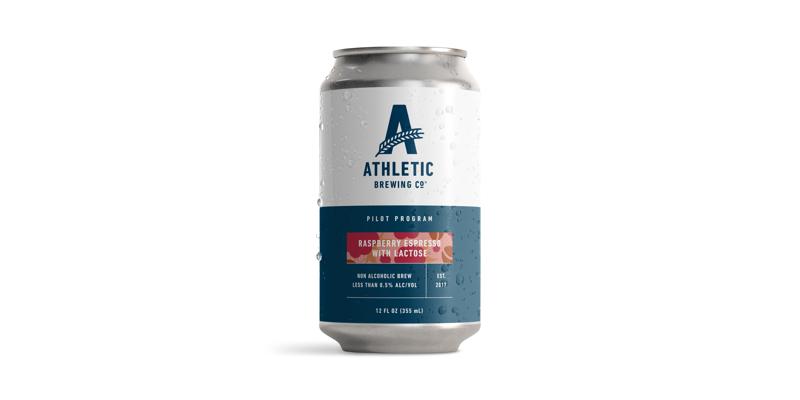
Federal regulations broadly define alcoholic beverages as having an ABV of 0.5% or higher. Product labeling and other industry standards are enforced at the federal level, while state governments have authority over alcohol-related laws concerning citizens.
Even though NA beers fall below federal ABV minimums for alcoholic beverages, many workplaces choose to restrict non-alcoholic beer and wine to secure a zero-alcohol workplace and eliminate any confusion or ambiguity among employees, supervisors, and government agencies.
Internal Perception and Ambiguity
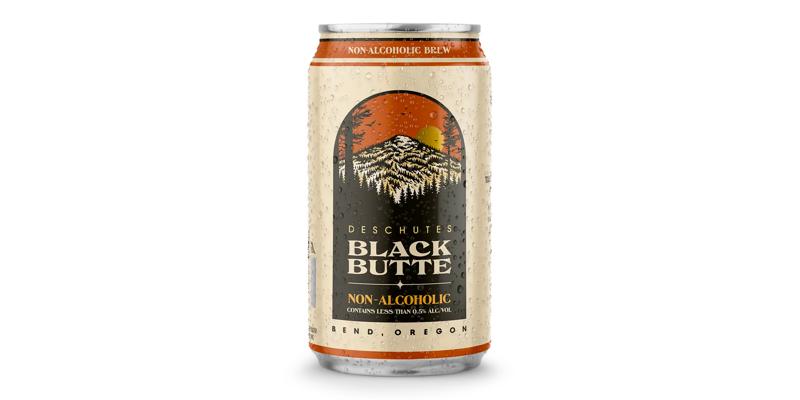
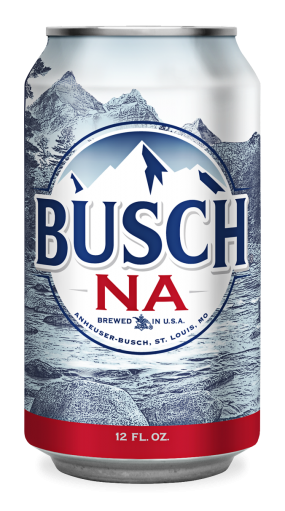
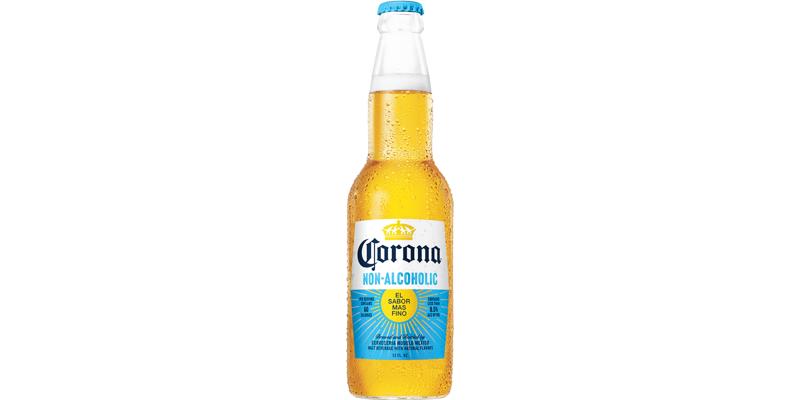
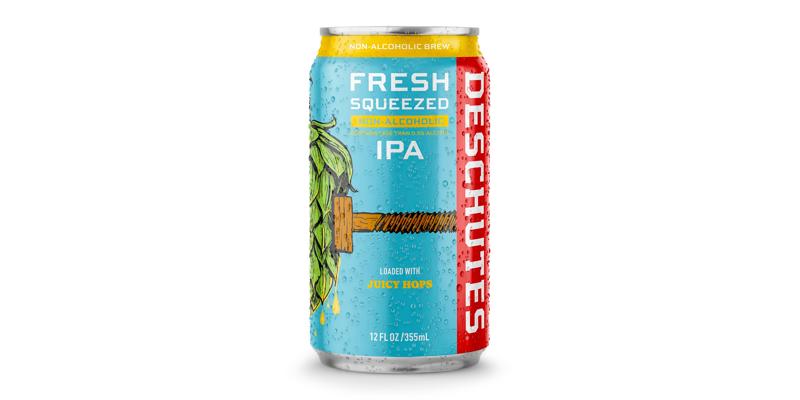
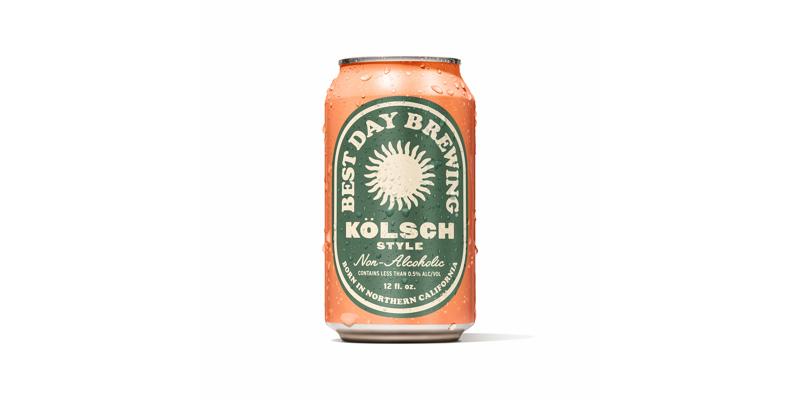
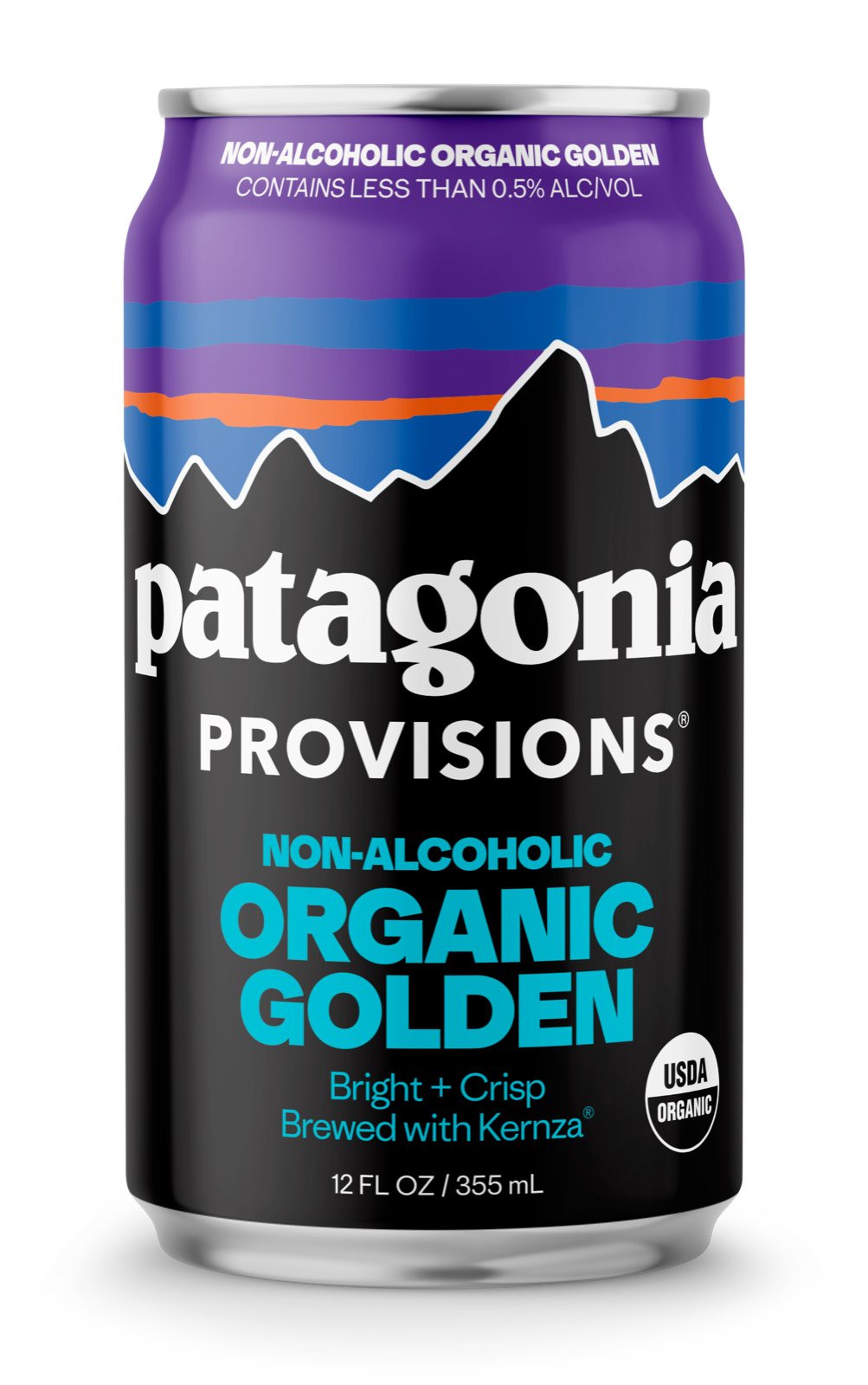
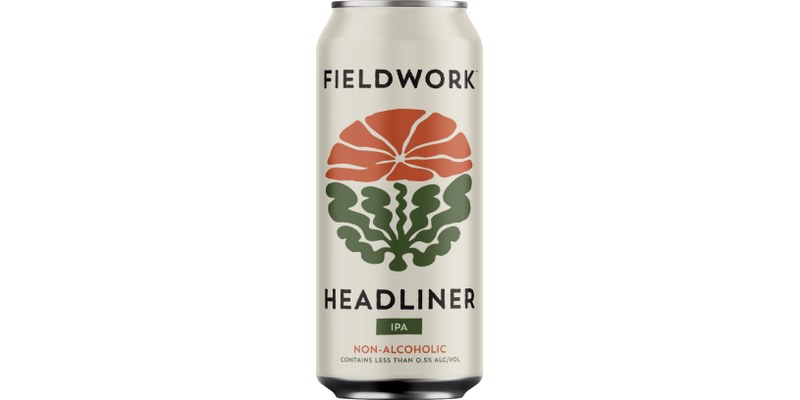
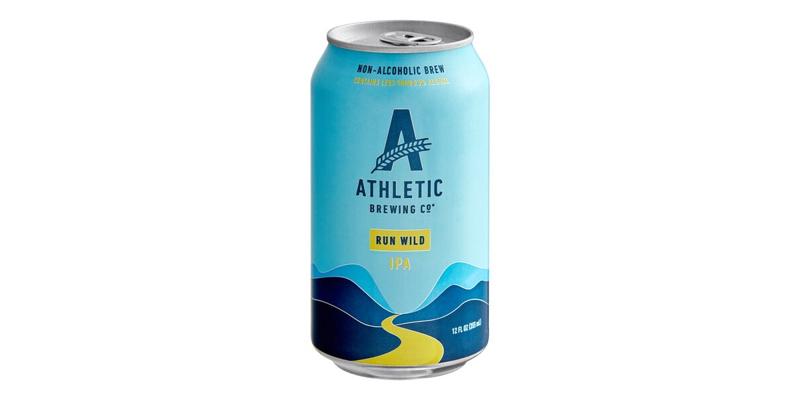
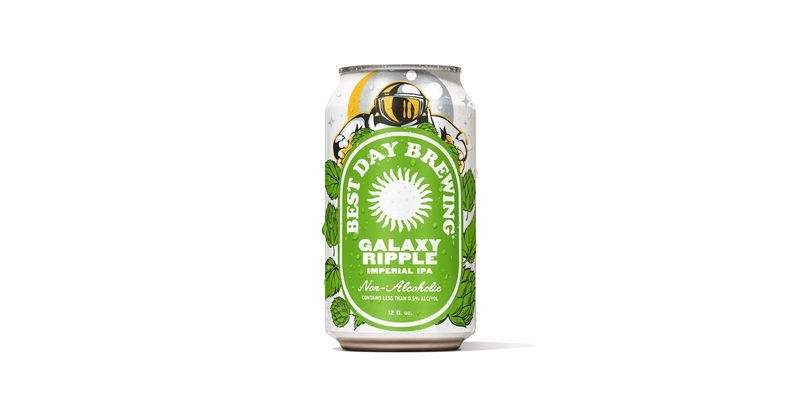
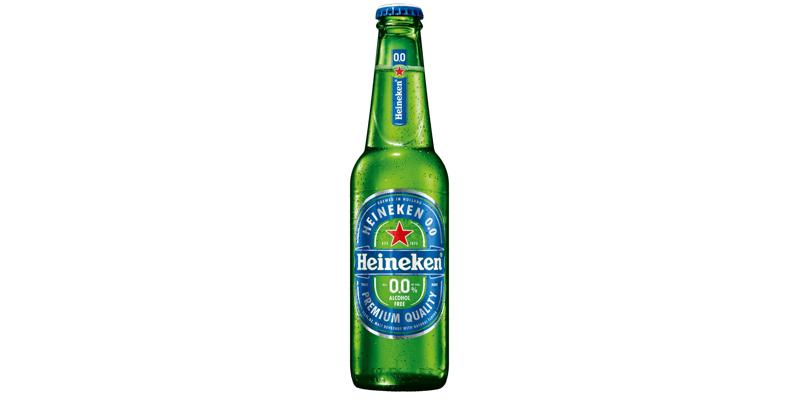
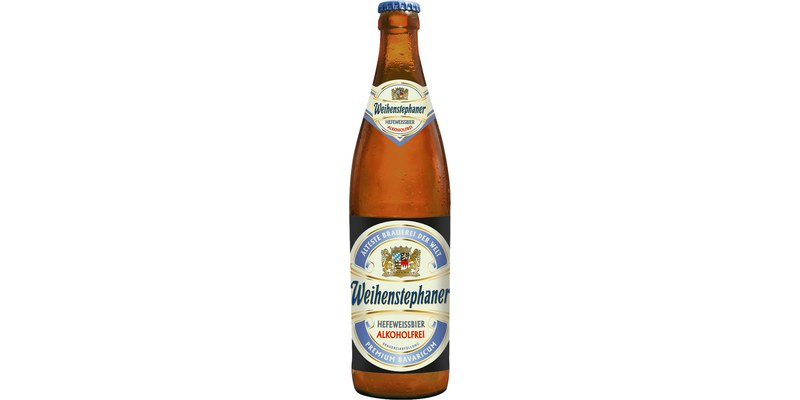
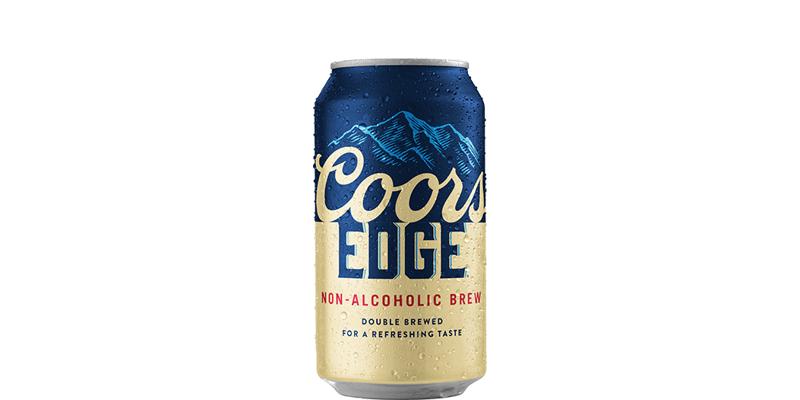
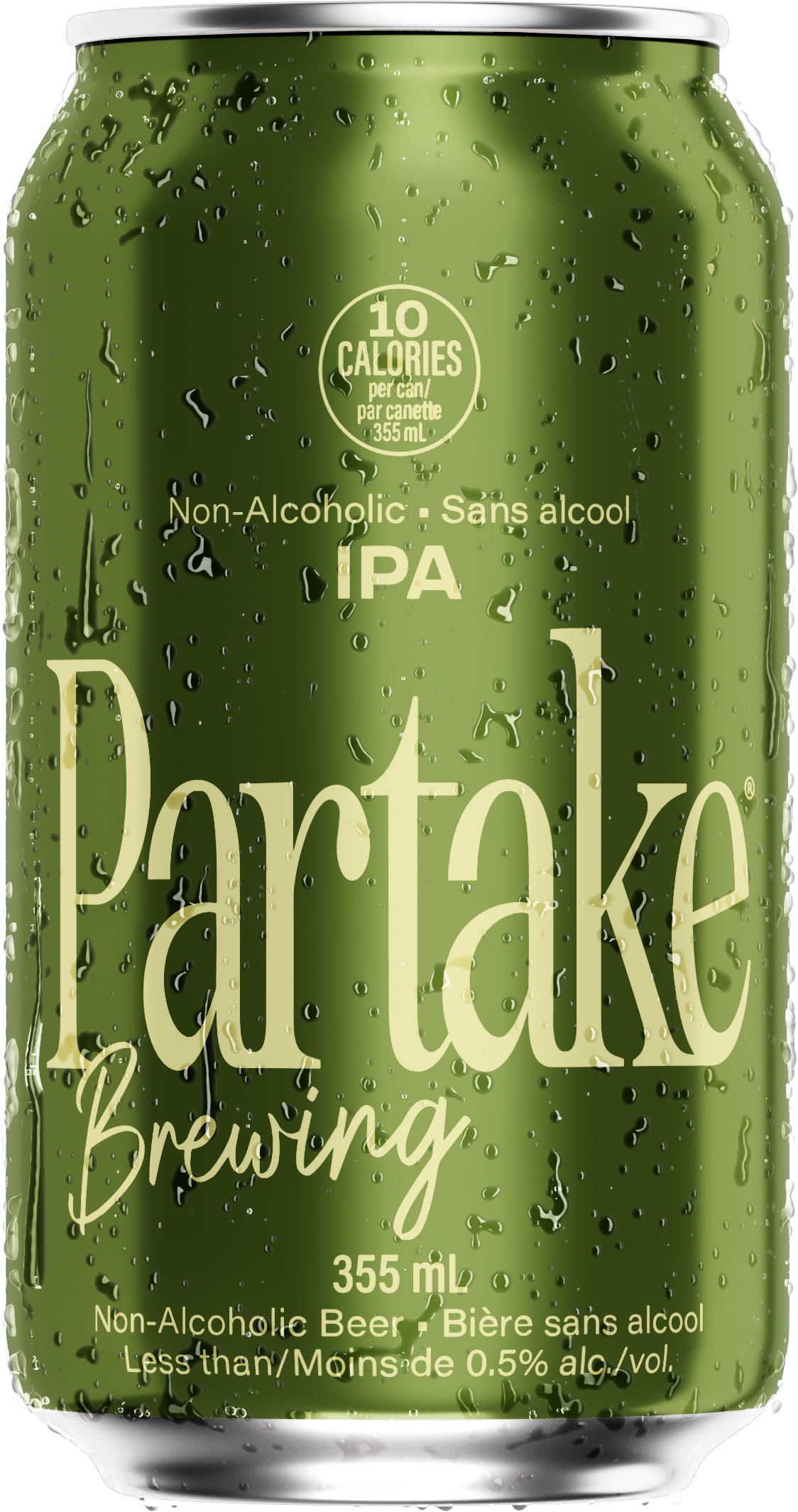
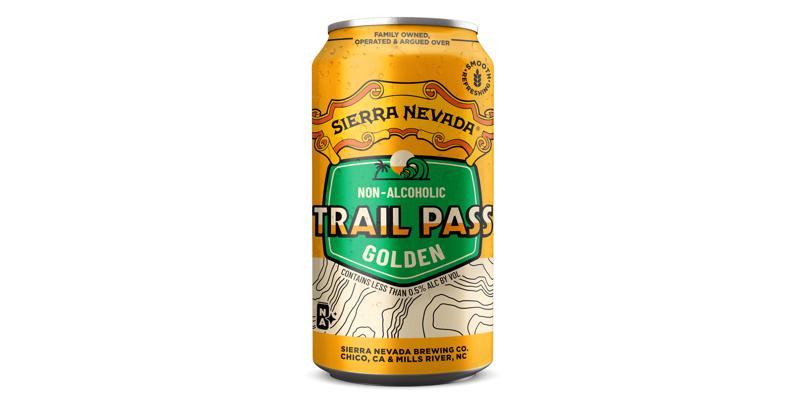
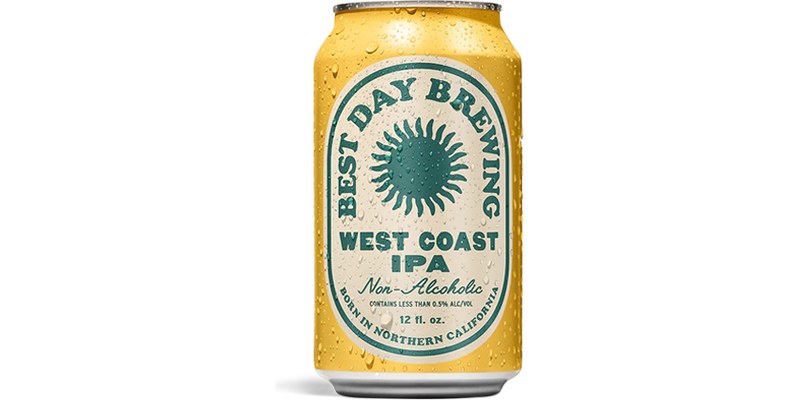
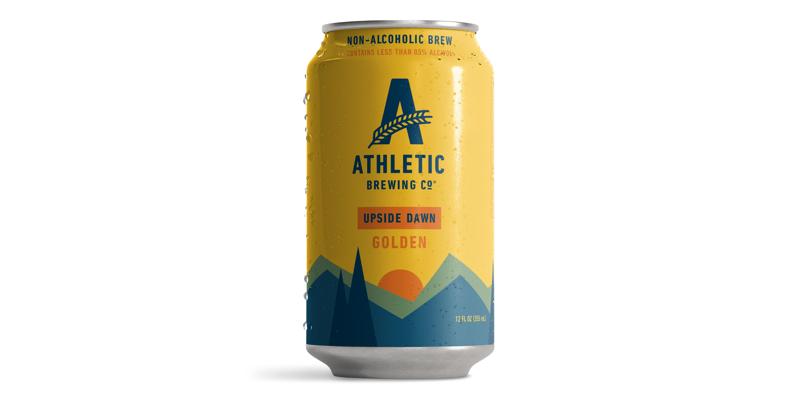
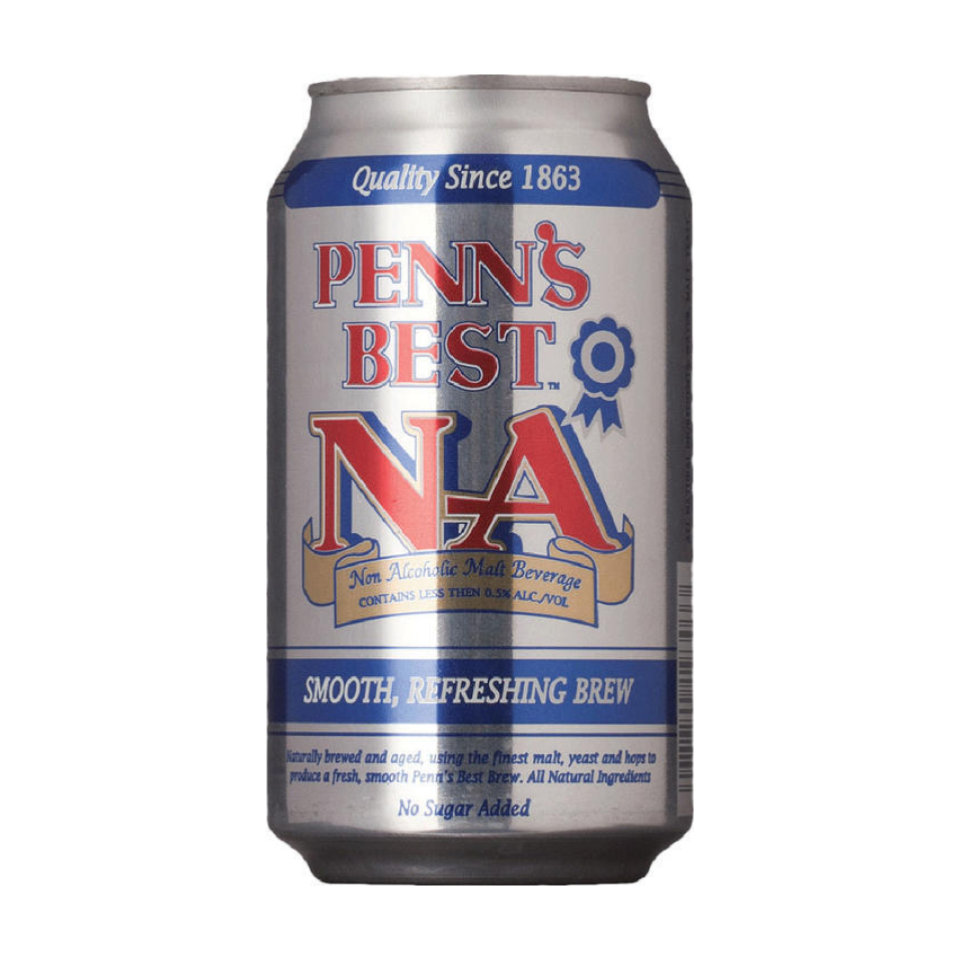
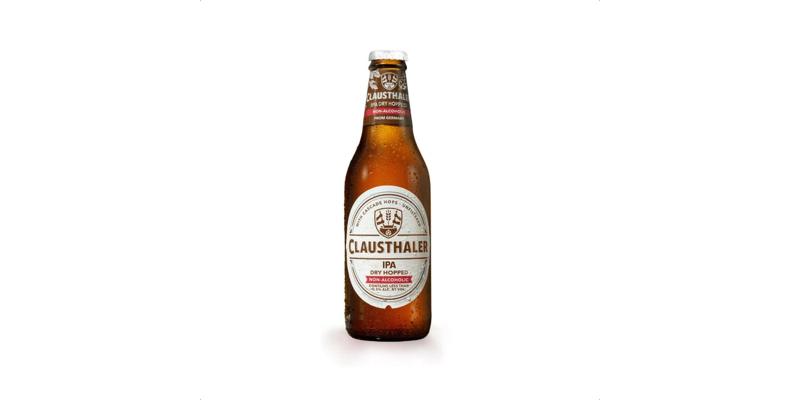
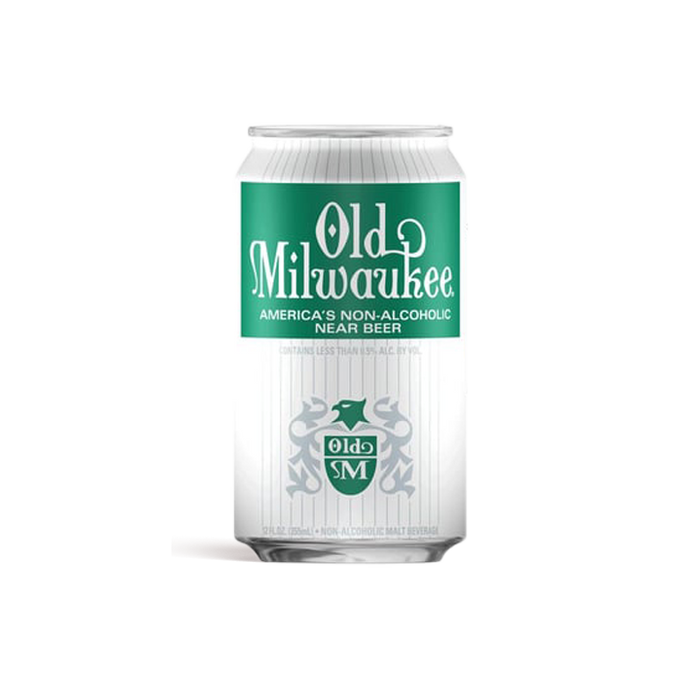
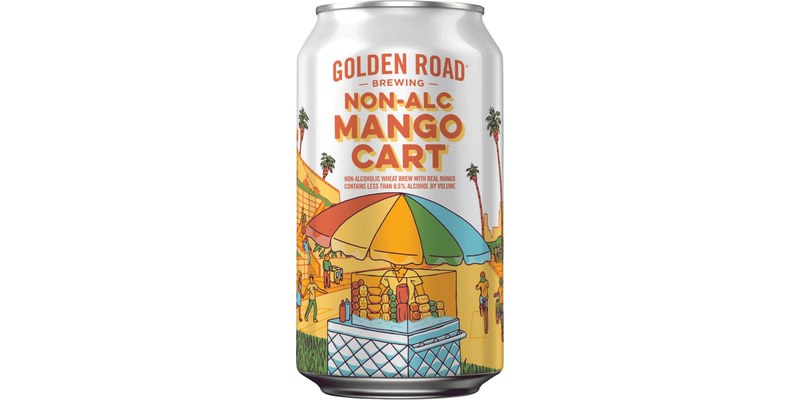
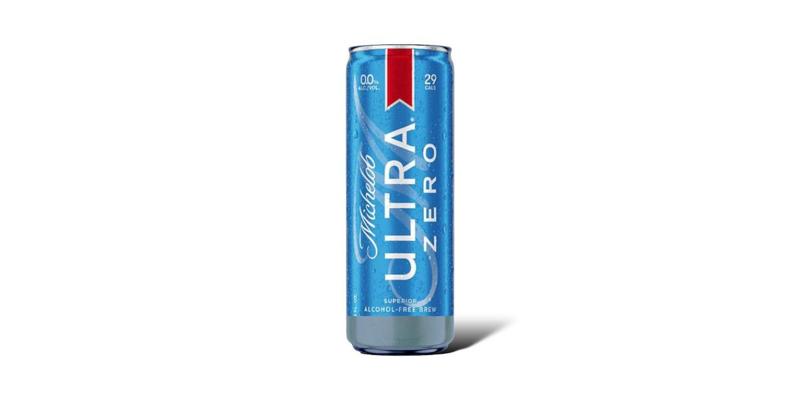
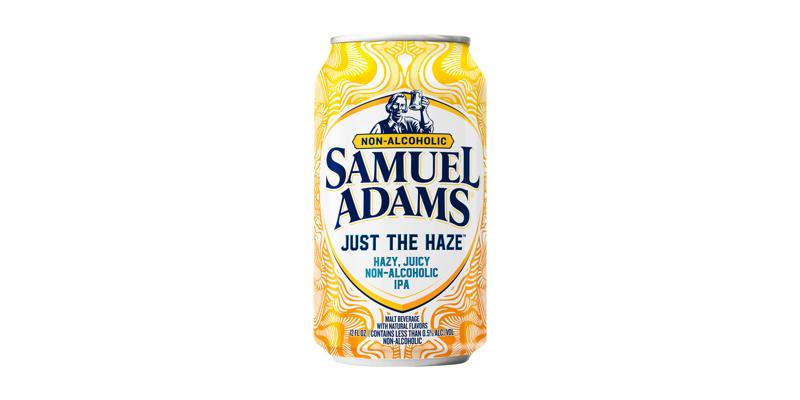
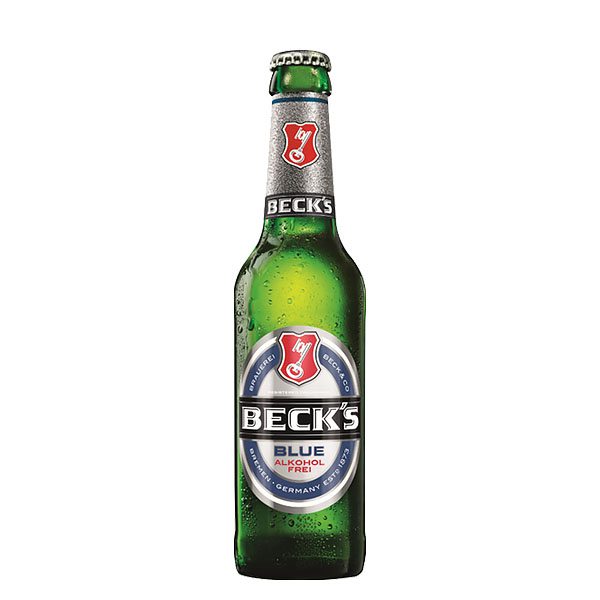
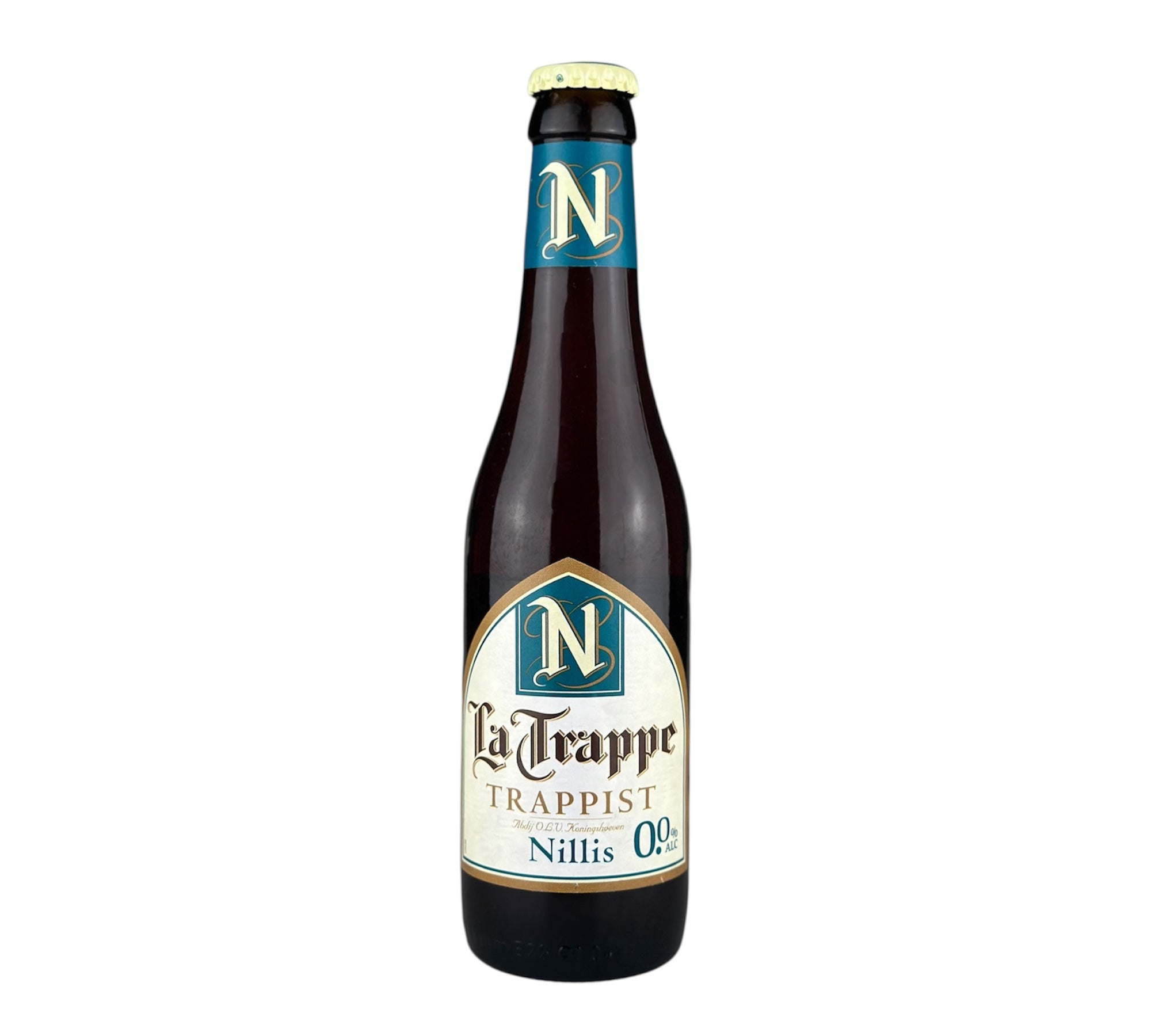
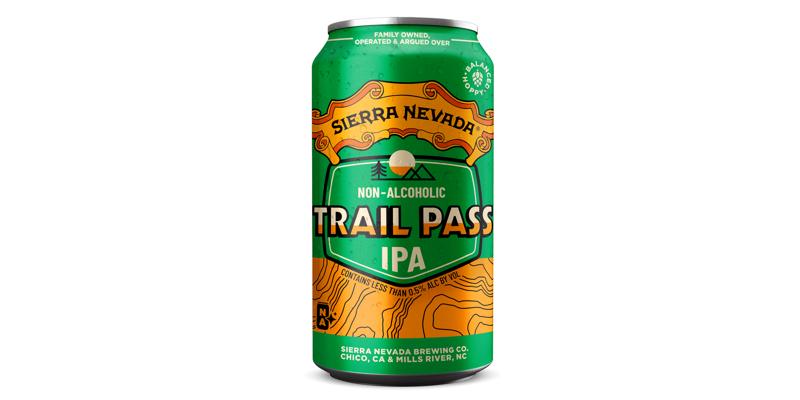
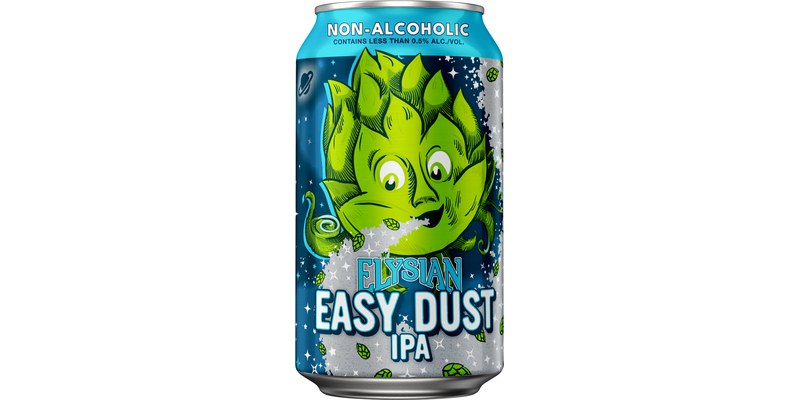
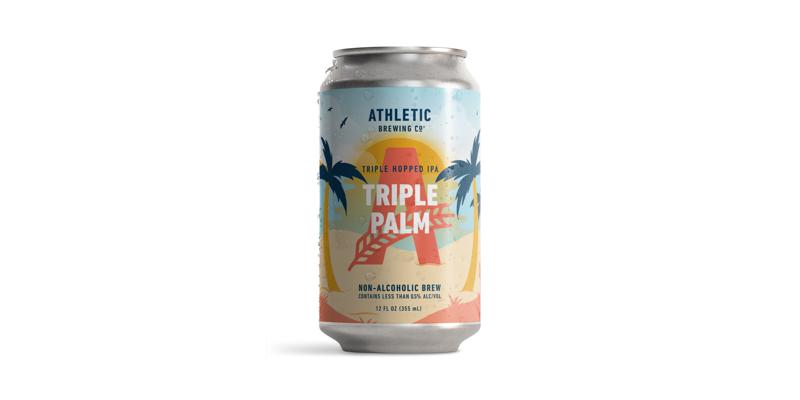
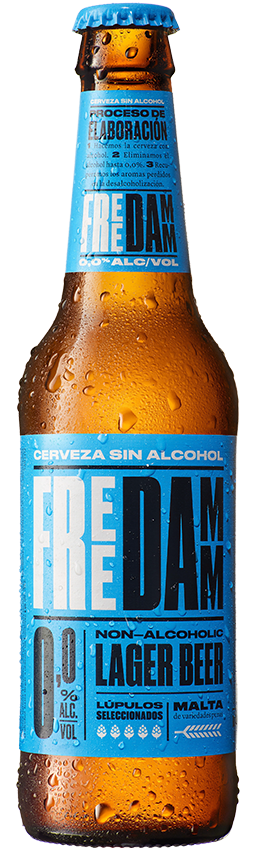
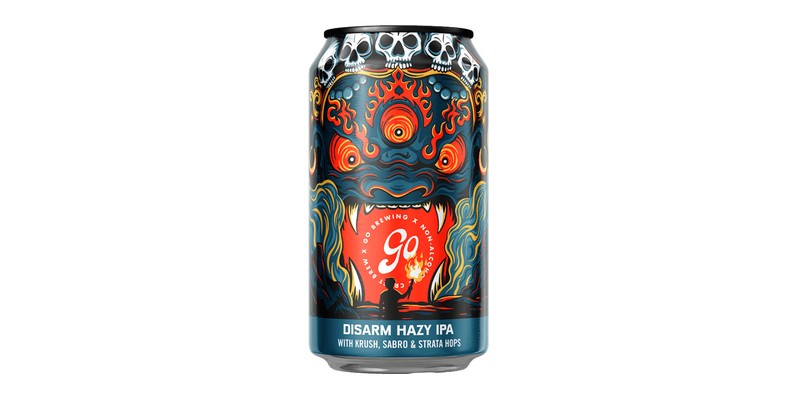
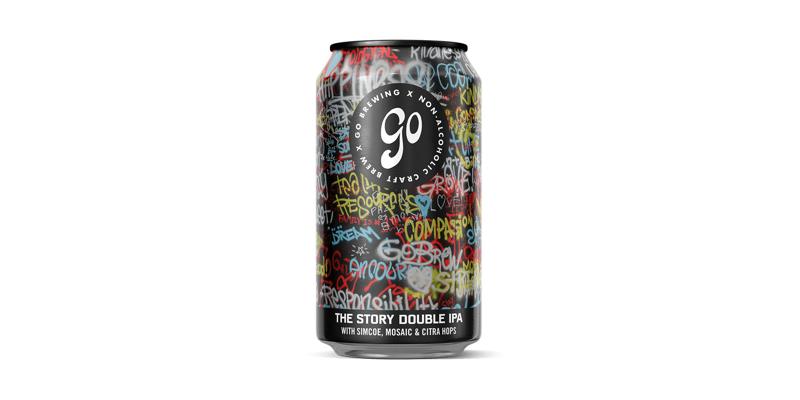
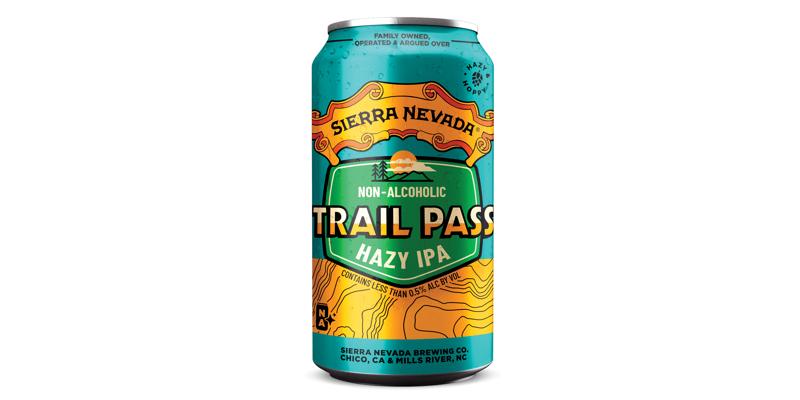
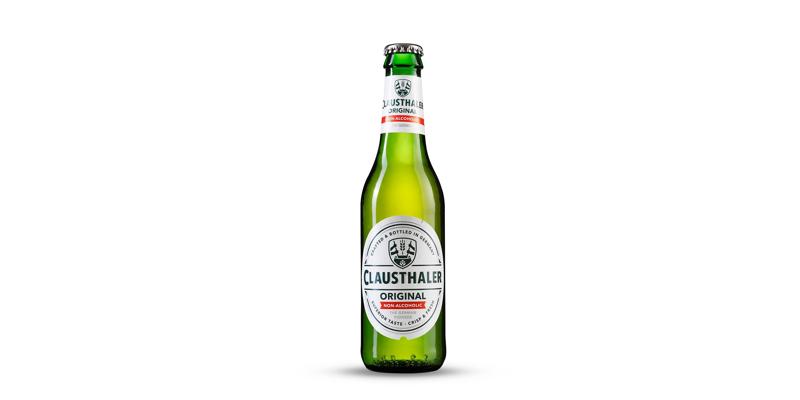
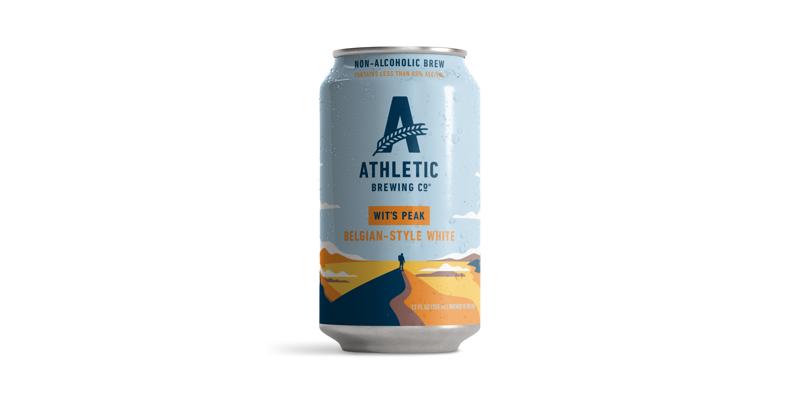
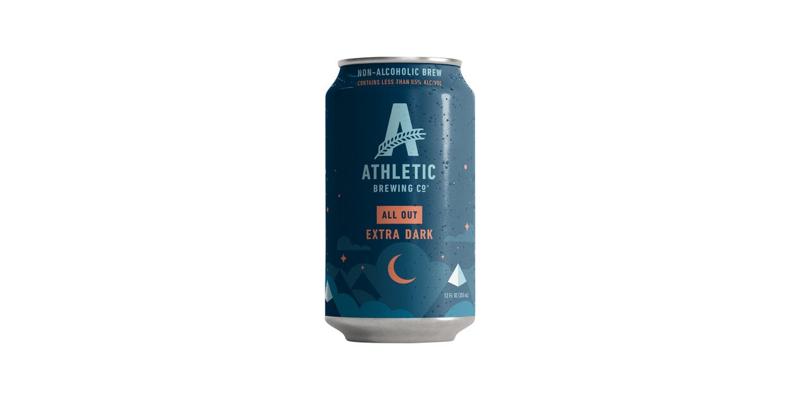
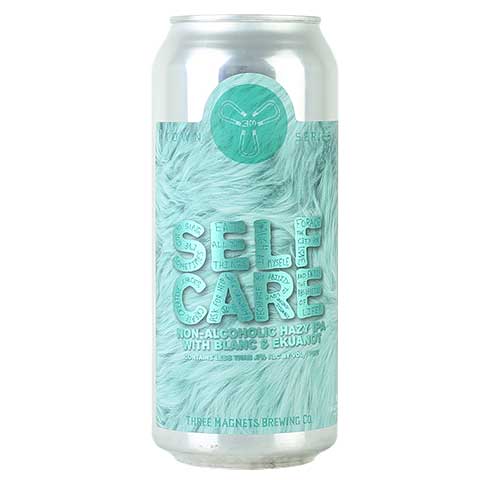
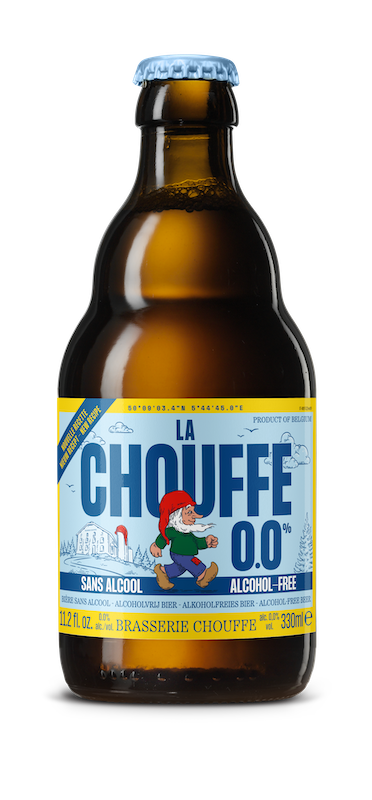
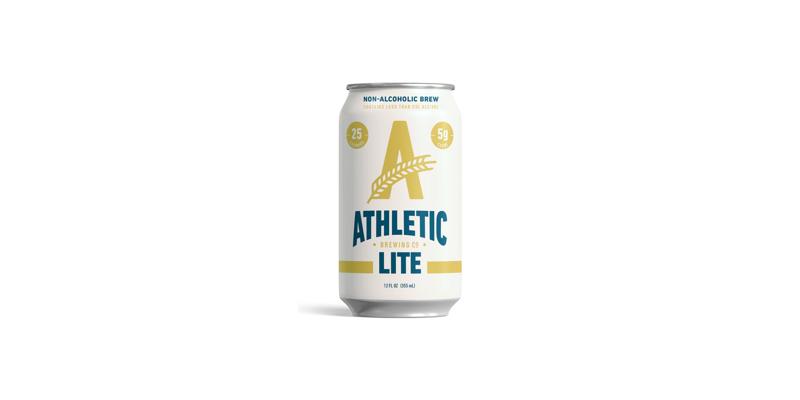
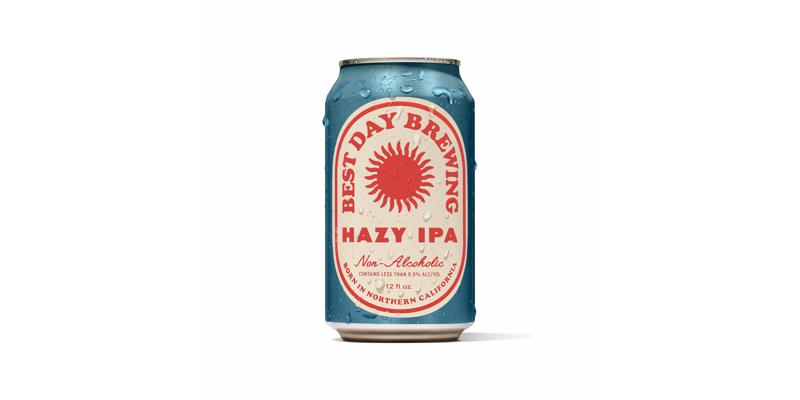
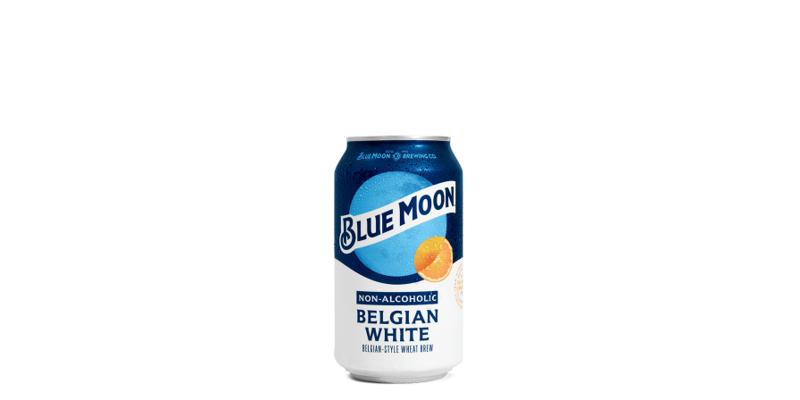
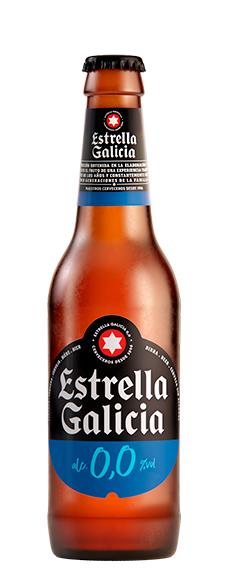
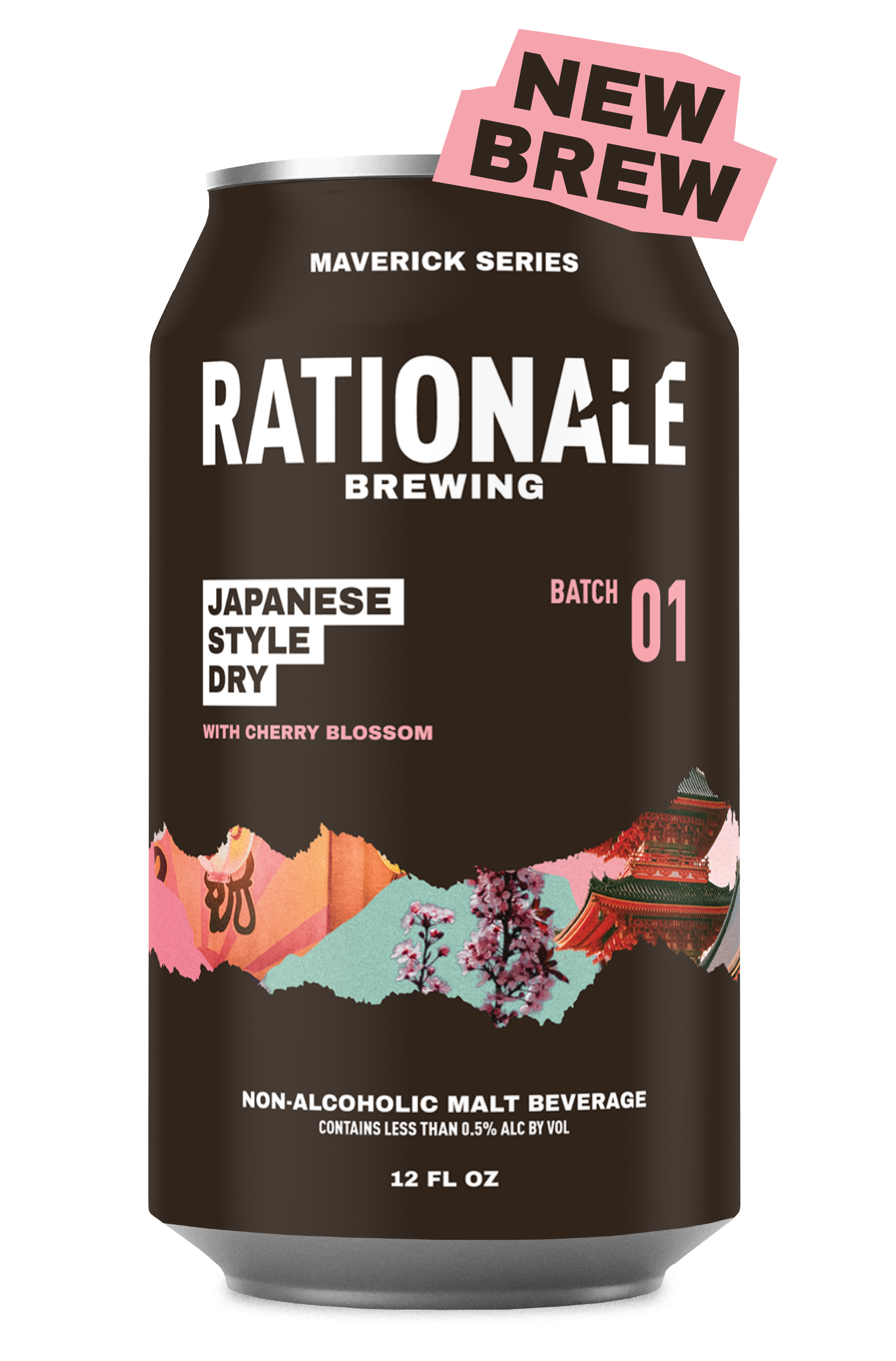
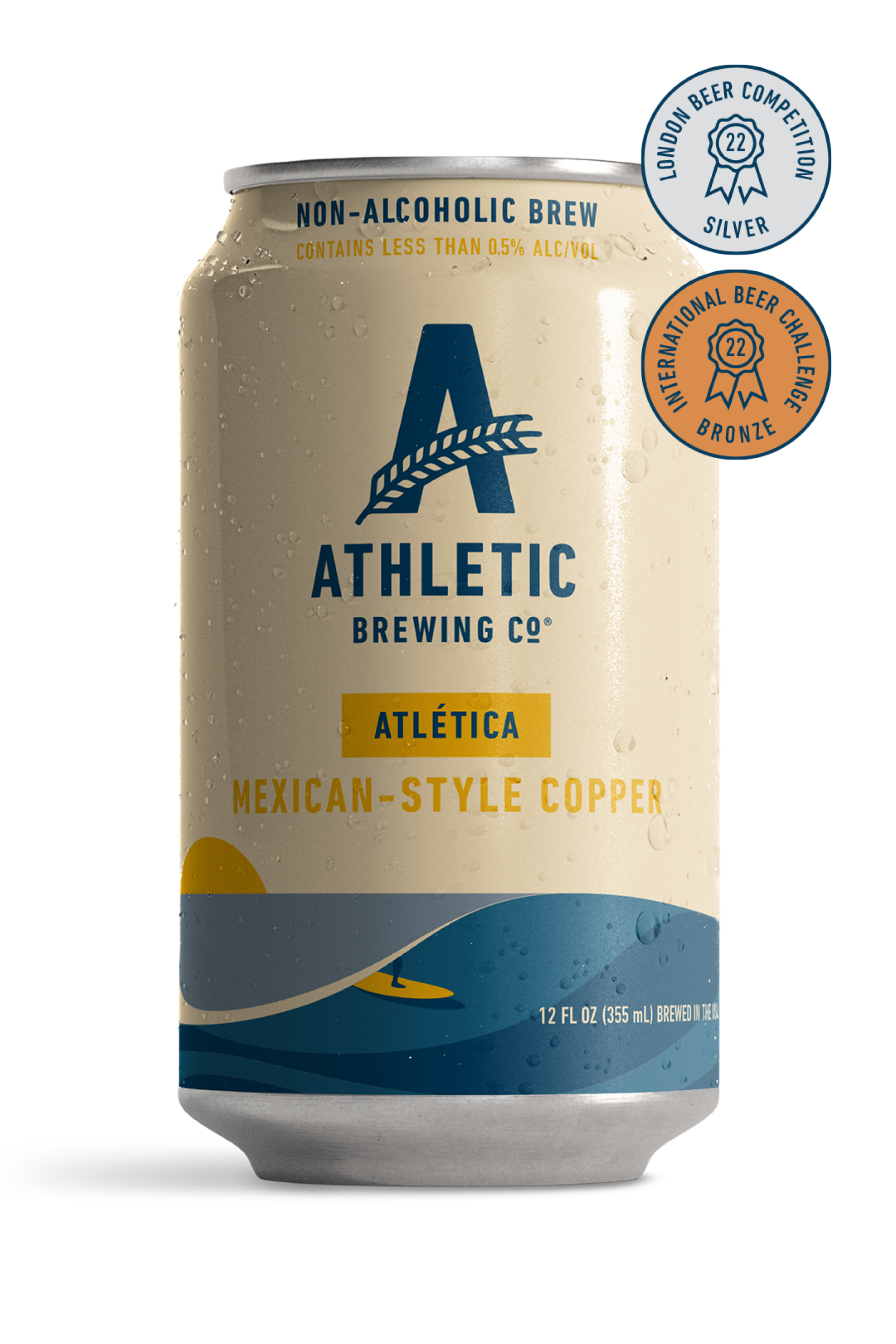
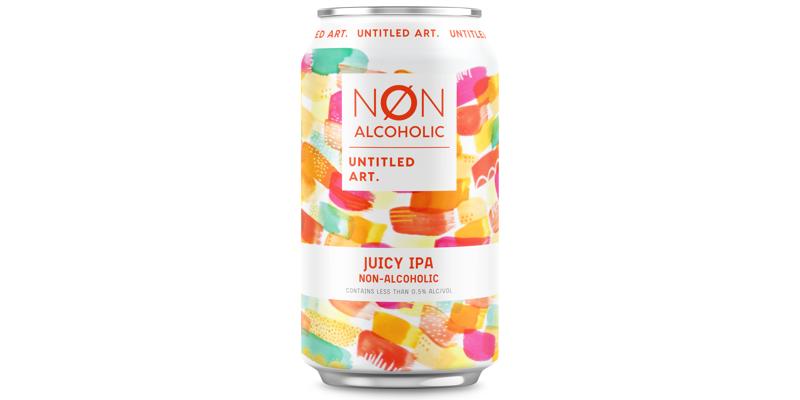
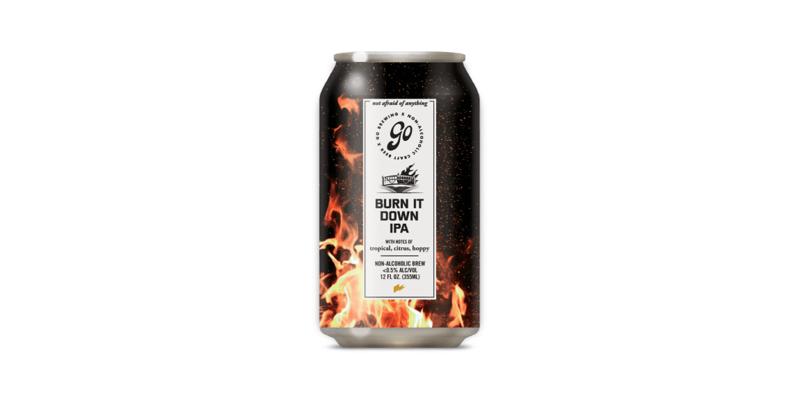
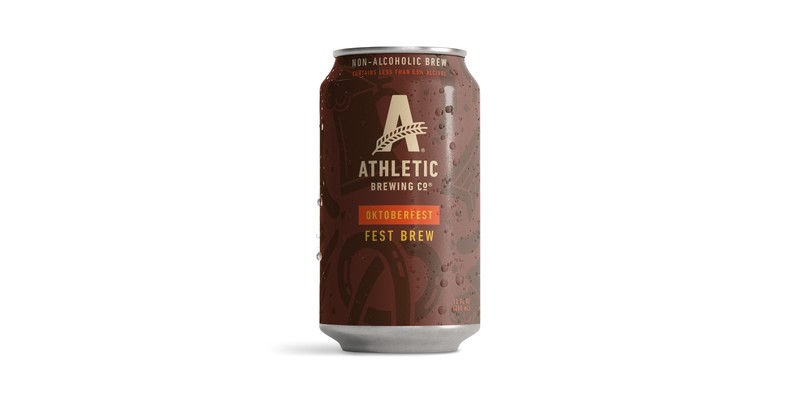
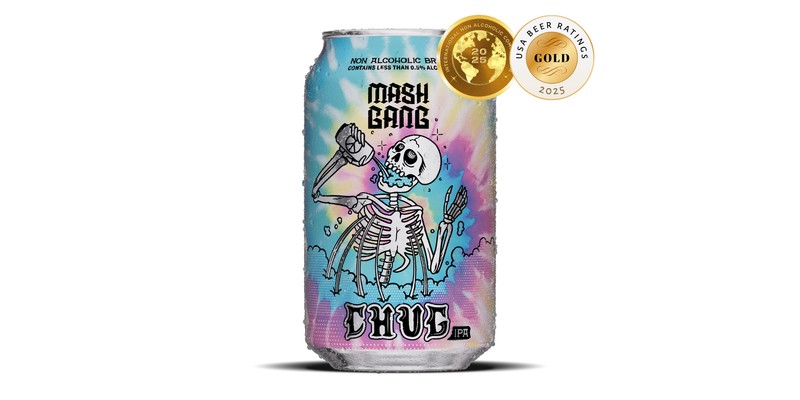
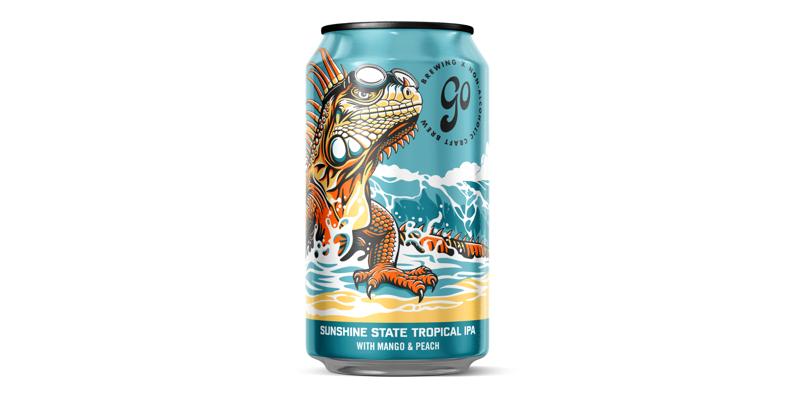
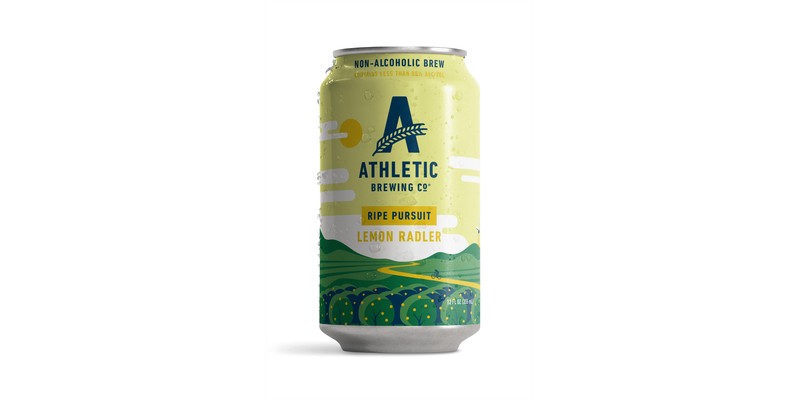
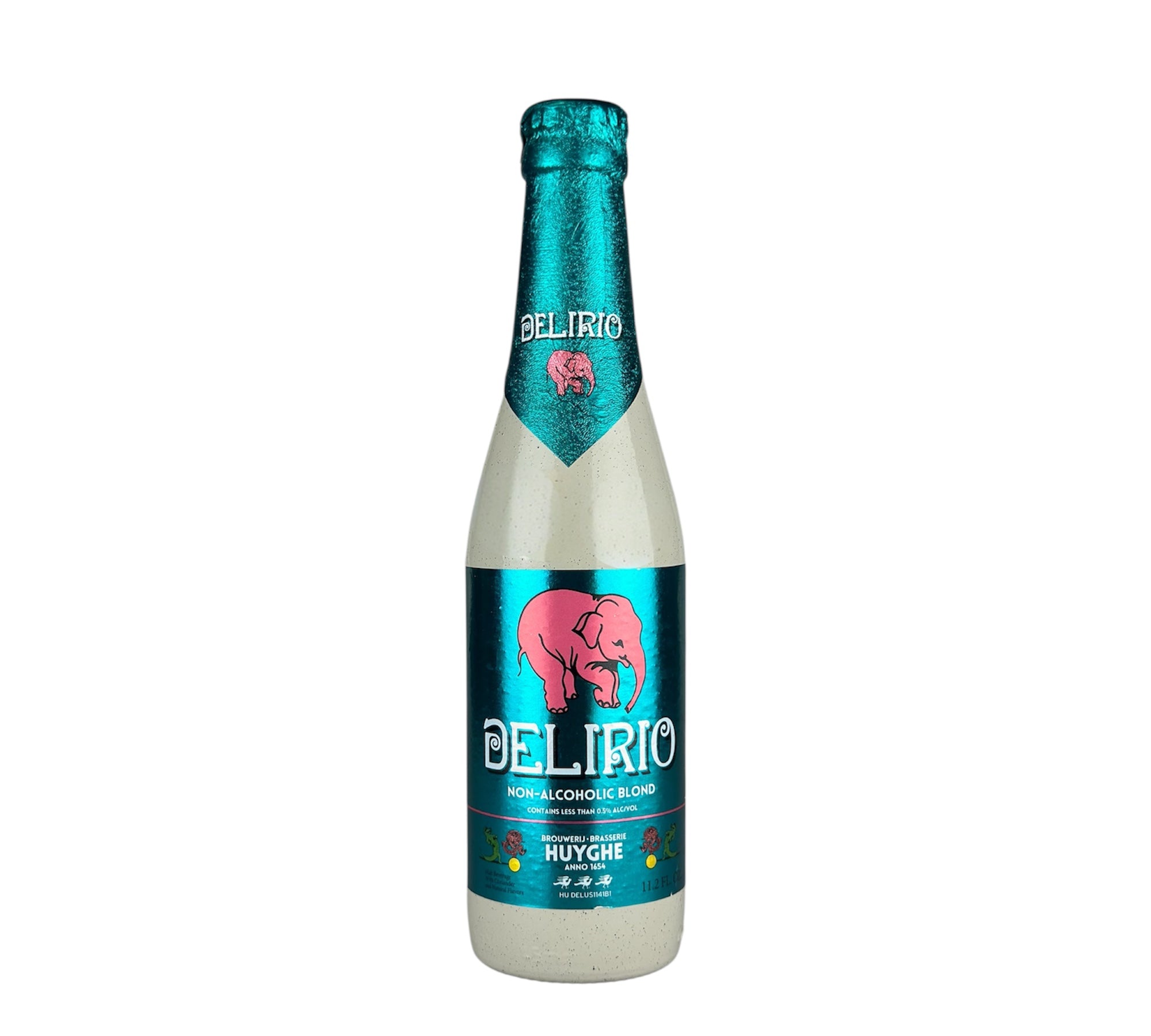
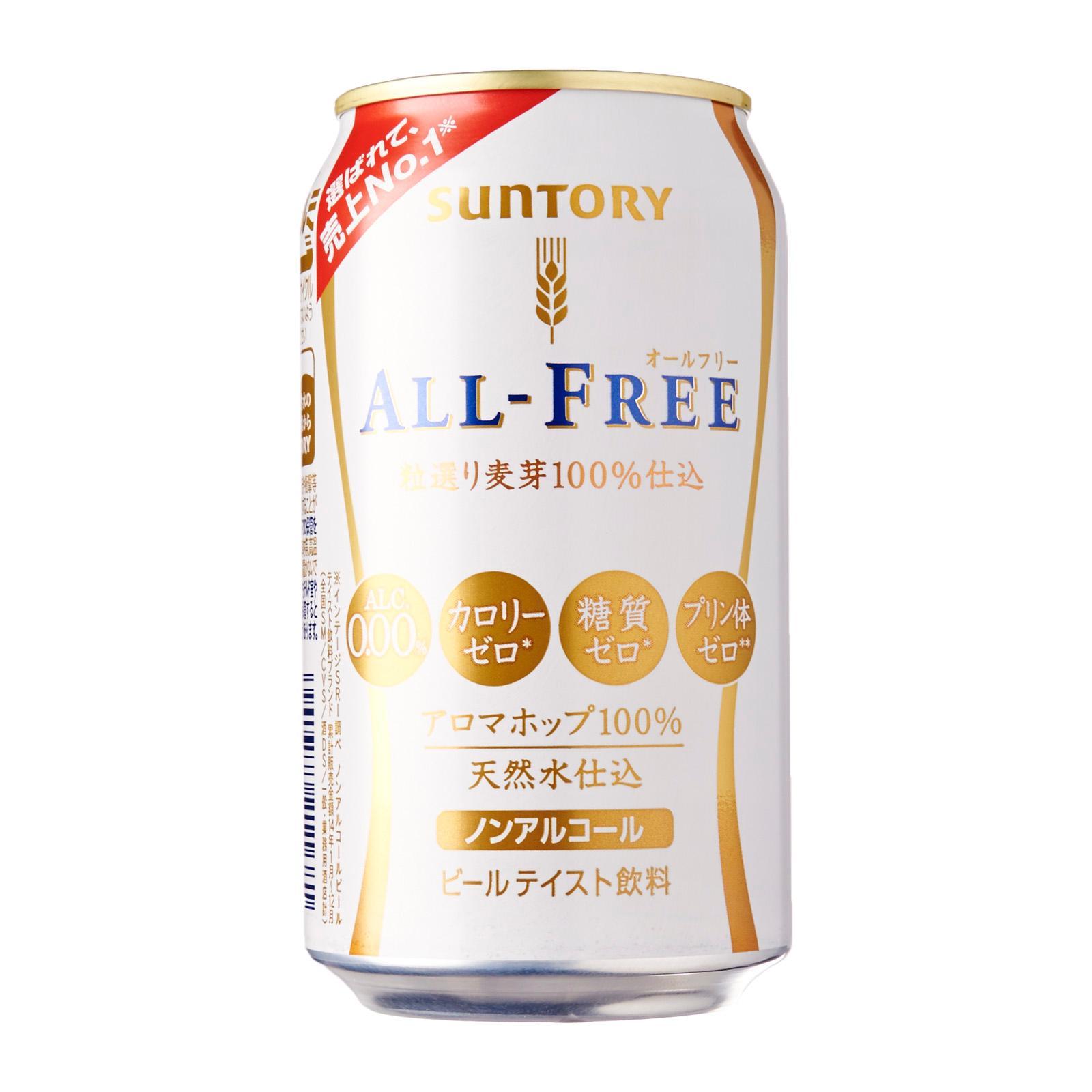
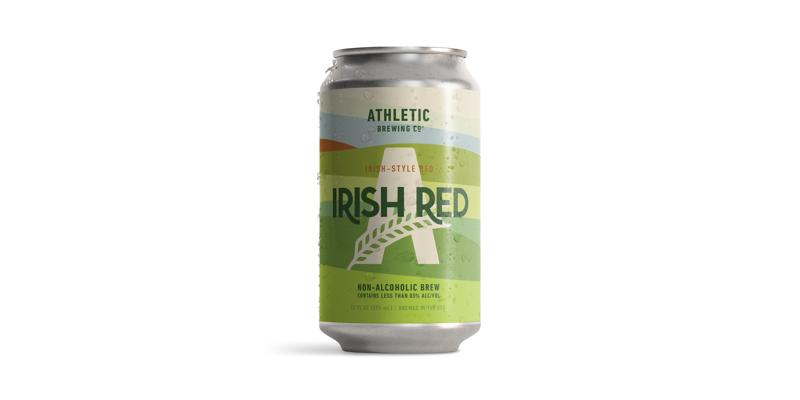
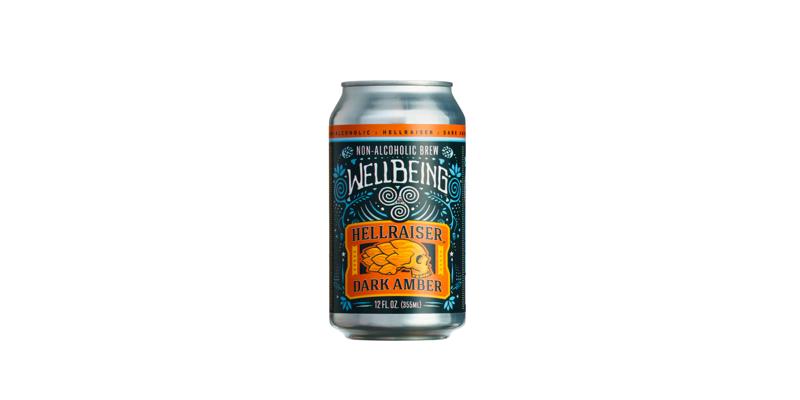
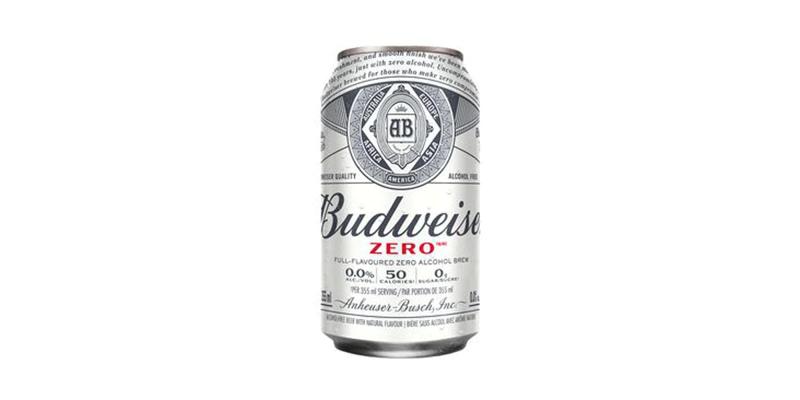
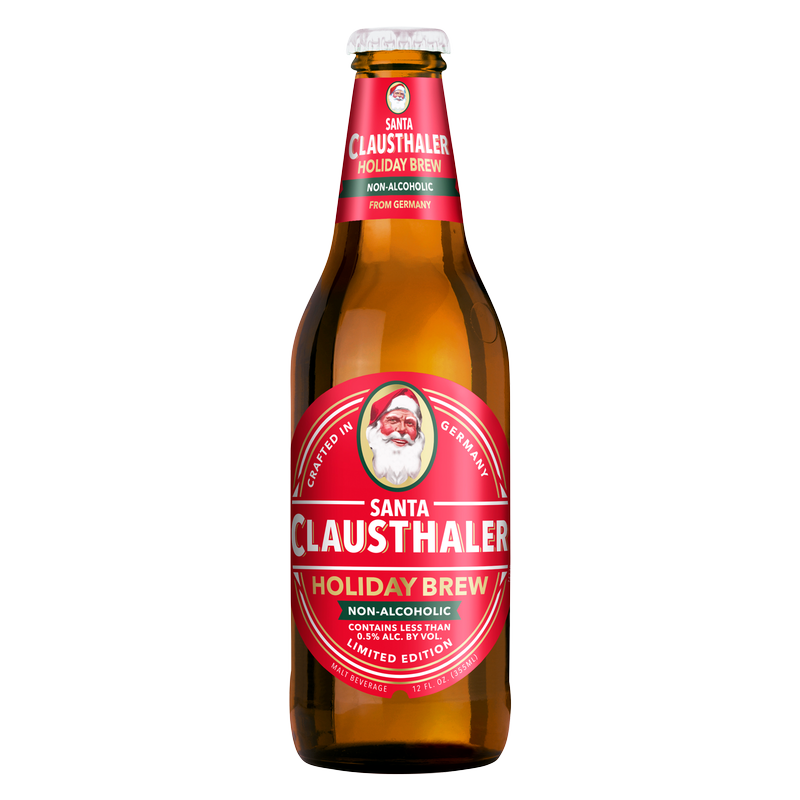
Non-alcoholic beer and alcoholic beer don't look all that different from afar. At first glance, it is hard to tell the difference, which can lead to unnecessary problems that workplaces just don't want to deal with.
For instance, a worker might suspect their colleague is sneaking in alcoholic beers at lunch and discreetly hiding the label from view. The accusation, investigation, and fallout could cause headaches for the supervisor, human resources, and legal departments. Having a strict no-beer (non-alcoholic or otherwise) policy simplifies life for everyone.
That being said, it could be argued that 0.0% ABV beer is no more alcoholic than an iced tea, apple juice, or soda. Workplace alcohol restrictions might not specifically name non-alcoholic drinks, but if the office or worksite is drug-free, it is safest to assume the policy is "no beer, wine, or spirits" of any ABV.
External Perception and Ambiguity
Just as it is difficult for colleagues and supervisors to differentiate alcoholic and non-alcoholic beers, workplace visitors may misunderstand what they are seeing when an employee is enjoying an NA beer on the job.
Depending on the workplace, "visitors" encompasses different people. If you work in a school, visitors may be parents. In a business, it may mean customers or clients. In a hospital, patients and family members will visit your workspace.
Anyone who isn't familiar with internal policy may see an employee: a teacher, salesperson, manager, nurse, or doctor, for instance, appear to be drinking alcohol on the job. In addition to the same workplace headaches it will cause the staff and administration, this external perception, however mistaken, can tarnish an establishment's image.
Potential Impact on Productivity
Non-alcoholic beer, in almost all cases, will not get anyone drunk in the office or on any worksite. But the laid-back associations connected to drinking an NA beer might be keeping many workplaces from allowing it.
While many people enjoy a non-alcoholic beer like any other beverage with their lunch, for others, the idea of beer (NA or otherwise) brings to mind good times, socializing, or relaxing after work. For many work establishments, this is not the desired vibe during work hours.
Consideration for Others' Well-being
The workplace is supposed to be consistently safe for everyone within it. Employers regularly remind all employees of this. Many states require annual training to prevent harassment, promote inclusivity, and remind employees of their rights and responsibilities.
Keeping alcohol-adjacent beverages out of the workplace is another way to make all employees feel welcome and safe. Whether an employee abstains from alcohol due to alcoholism, health-related issues, or other personal reasons, having NA beer and zero-alcohol wine in the workplace might trigger unpleasant or unwelcome feelings.
Promotion of General Health
Non-alcoholic beer can be a healthy alternative to alcoholic beer for many people. Still, when an employer promotes healthy habits such as good nutrition, exercise, mental health, and other wellness, keeping all alcohol-adjacent beverages out of the workplace consistently delivers that message.
Can an Employee Drink NA Beer Off-Premises at Lunch?
What an employee drinks off-premise at lunch or at a work-related event is still technically under the purview of the workplace policy on alcohol consumption. Regulating employees' offsite drinking habits comes down to one thing: impairment, both on the job and on the road.
Generally, a non-alcoholic beer will not cause intoxication or impairment in a healthy adult, simply because of the low alcohol by volume. A healthy liver can metabolize one standard alcoholic drink per hour, according to the
California Department of Alcohol Beverage Control and the Cleveland Clinic. An alcoholic beer averages 5.0% ABV, while a non-alcoholic beer has one-tenth of that or less (0.5% to 0.0% ABV).
In other words, a healthy liver can process a non-alcoholic beer long before the trace level of alcohol can build up in the bloodstream. To get the physical effect of one regular 5.0% ABV beer, someone would need to consume 10 or more NA beers, one after another.
Even still, because workplace rules regarding alcohol follow you when you leave the work building, you are bound to follow the same rules as in the office.
So, while previous generations may have indulged in a three-martini lunch without thinking twice, today's employees are better off enjoying a refreshing mocktail made without any zero-proof spirits. To find a bar or restaurant near you that serves quality mocktails, try our
Mocktail Finder.